Powell River Top General Contractor for Quality Workmanship
General Contractor: Your Essential Partner for Household Projects
A general contractor performs an important role in home projects. They supervise numerous aspects of construction, making sure that work advances smoothly. Their proficiency in building codes and requirements enables them to work through the complexities of authorizations and inspections. This expert acts as an essential connection between homeowners and subcontractors. However, many homeowners feel uncertain about the full extent of their services. Understanding these details can have a major impact on the success of any remodeling undertaking.
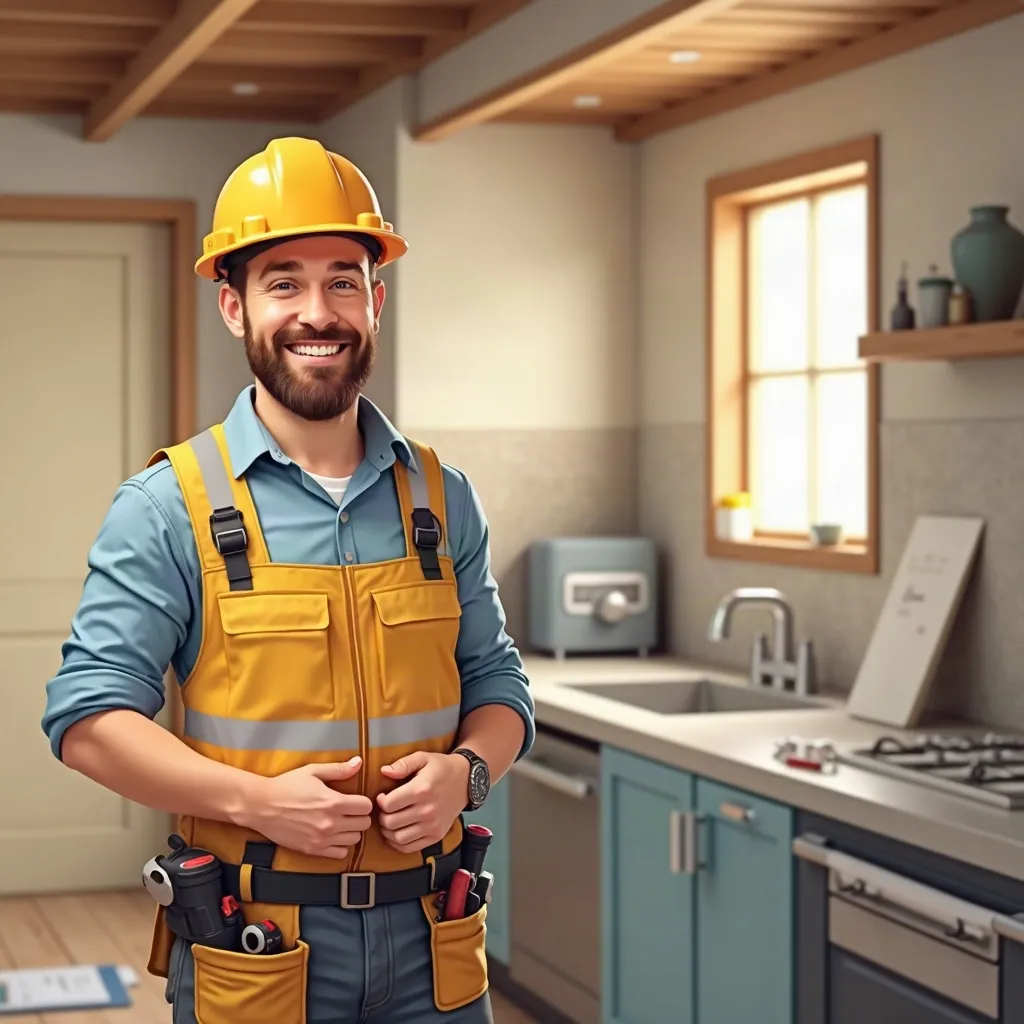
What Does a General Contractor Do?
A construction coordinator manages the various elements of a construction project, confirming that all operations flow without issue from opening to closing. They represent the primary point of contact, managing interactions between stakeholders, subcontractors, and distributors. This function involves mapping out the construction calendar, arranging personnel, and upholding adherence with local building codes and regulations.
General contractors are responsible for acquiring required licenses and arranging inspections, which are vital for upholding safety and quality benchmarks. They also handle budget planning, material procurement, and overseeing site operations to prevent any possible setbacks or complications. In addition, they oversee subcontractors, making sure that each phase of construction conforms to project specifications and timelines. Overall, a general contractor's expertise and organizational skills are crucial for completing a successful construction project, transforming a client's vision into reality while balancing multiple tasks and responsibilities.
Benefits of Employing a General Contractor for Home Renovations
Contracting a professional builder for home renovations delivers countless benefits that can substantially enhance the quality and efficiency of the project. General contractors bring specialized knowledge in managing projects, making sure that timelines are met and funds are distributed efficiently. Their strong relationships with specialized contractors can lead to superior pricing and superior workmanship, which ultimately benefits homeowners regarding both cost and time.
Additionally, general contractors coordinate the detailed aspects of documentation and quality checks, minimizing likely regulatory complications. They also establish a centralized coordinator, streamlining communication and coordination among various trades. This streamlining reduces the risk of misunderstandings and delays.
Additionally, their expertise allows them to anticipate potential challenges, permitting proactive solutions to keep the project on schedule. By bringing on a general contractor, homeowners can focus on their vision while enjoying peace of mind, assured that a professional is handling every aspect of the renovation.
Clearing Up Myths Regarding Construction Professionals
While numerous property owners may hold misconceptions about general contractors, understanding the realities can result in more informed decisions. One common myth is that hiring a general contractor is unnecessary for small projects; nevertheless, their know-how can facilitate even minor renovations, guaranteeing observance with local codes. Another common belief is that contractors are merely middlemen, but they frequently have extensive knowledge in several disciplines, enabling them to manage projects competently. Additionally, some homeowners believe that working with a contractor will significantly inflate costs. In fact, a qualified general contractor can often negotiate better pricing for materials and labor due to solid relationships with vendors and subcontractors. Lastly, many consider that general contractors are unyielding, related content but dependable contractors value client communication and collaborate closely to address specific needs. Resolved myths can empower homeowners to capitalize on the genuine value of general contractors in achieving productive home projects.
Finding the Ideal General Contractor?
How can property owners guarantee they choose the best construction professional for their assignments? The process begins with comprehensive investigation. Property owners should obtain suggestions from friends, family, and online reviews to identify qualified contractors. Once a list is compiled, confirming qualifications, such as licensing, bonding, and insurance, is crucial to verify legitimacy.
Next, homeowners should ask for and examine portfolios of previous work, focusing on projects similar in scope. Setting up interviews allows property owners to gauge compatibility, covering schedules, costs, and requirements. It's also advisable to obtain multiple quotes for comparison, providing a clear understanding of costs.
Reviewing references provides insight into a contractor's reliability and professionalism. Finally, following your intuition is crucial; an opening discussion can reveal much about a contractor's way of communicating and methodology. By implementing these procedures, homeowners can markedly increase their chances of selecting a general contractor who aligns with their project needs and vision.
Strong Communication Strategies To Use Alongside Your General Contractor
How might homeowners employ approaches to maintain proper interaction with their general contractor? Initiating open dialogue from the outset is necessary. Homeowners must clearly express their goals, project goals, and spending restrictions during initial meetings. Ongoing reports can be promoted through scheduled meetings, ensuring that both parties stay synchronized throughout the project.
Leveraging documentation records, like emails or project logs, reinforces spoken arrangements and decreases misunderstandings. Homeowners should equally encourage transparent communication by soliciting feedback and questions from the contractor, building a collaborative atmosphere.
Furthermore, capitalizing on tech solutions, such as project management apps, can ease team dialogue by creating a centralized platform for relaying updates, timelines, and changes. Finally, practicing respect and approachability can deepen rapport, making it easier for the contractor to discuss challenges or suggestions with success. By executing these techniques, homeowners can nurture a fruitful and transparent connection with their general contractor.
What to Anticipate When Your Initiative Launches?
When the project gets underway, homeowners should prepare for a surge of movement on-site. The construction manager will supervise groups of qualified craftspeople, comprising electricians, plumbers, and carpenters, who will commence their labor based on the agreed-upon schedule. Homeowners may observe large equipment and supplies being delivered, creating a active environment.
Keeping communication is essential during this phase. The contractor will supply progress reports on work being done and address any concerns that come up. Homeowners should prepare for potential disturbances, such as sound levels and limited access to certain areas of the home.
Safety protocols will be in place to protect both workers and residents, ensuring a secure context. Additionally, homeowners may be encouraged to maintain flexibility, as unforeseen issues can arise, necessitating adjustments to the original plan. Overall, this initial phase initiates the foundation for the successful completion of the project, and active engagement is essential.
Key Topics for Your Primary Contractor Agreement?
Selecting the appropriate inquiries to raise when finalizing a general contractor agreement is critical for guaranteeing a problem-free project. Homeowners should ask about the contractor's permit and protection to confirm their credentials and protection against liabilities. Understanding the project timeline and milestones is vital; therefore, asking about estimated completion dates helps establish expectations.
It is also important to clarify payment terms, including deposit amounts and payment schedules, to avoid confusion. Homeowners should request a comprehensive itemization of expenses, covering supplies and labor, to guarantee transparency. Furthermore, addressing the process for managing modifications or unforeseen issues can prevent disputes later on.
In conclusion, property owners must investigate details about subcontractors and their qualifications, as well as the communication strategy of the contractor throughout the project. By reviewing these points, homeowners can establish a productive relationship with their lead contractor, ultimately leading to a successful construction project.
Common Inquiries Asked Often
What Methods Do General Contractors Use to Invoice for Their Services?
General contractors typically charge through fixed fees, hourly pricing, or a cut of the total project price. Their pricing may also include materials, human resources, and indirect costs, depending on the level of complexity and project scope.
Can a General Contractor Assist With Permits and Evaluations?
Yes, a construction professional can aid in securing permits and conducting inspections oversight. They typically work through local codes and maintain compliance, streamlining the process for homeowners while providing necessary authorizations throughout the building endeavor.
What Requirements Should I Find in a General Contractor?
When picking a construction firm, one should assess qualifications such as licensing, insurance, experience in relevant projects, strong references, and strong interpersonal abilities, confirming they possess the essential qualifications to handle the project successfully.
What Duration Should You Anticipate for a Standard Home Remodeling Venture?
A ordinary home renovation project can last anywhere from a few weeks to several months, reliant on the breadth, complexity, and size of the project, as well as the supply of materials and labor.
What Takes Place if My Initiative Exceeds Cost Allowance?
Should a project go over budget, the builder typically discusses the reasons and options with the property owner. Modifications may involve reducing costs, seeking additional funding, or adjusting the project parameters to conform to financial limits.